When considering your sleep environment, one crucial factor often overlooked is humidity. A comfortable humidity level can significantly impact the quality of your sleep. A humidifier can help, but many people wonder, "What is the ideal humidity level for sleeping with a humidifier?" Research suggests that the optimal range is between 30% and 50%. This range helps keep the air moist without making it overly damp, which can lead to mold or dust mites.
If your bedroom is too dry, you might wake up with a sore throat or dry skin. Conversely, excessive humidity can make breathing difficult. Finding the right balance can encourage better sleep patterns. Many sleep experts recommend using a hygrometer to monitor levels. This small device can help you maintain an optimal environment.
While using a humidifier can enhance your sleep experience, it's essential to clean the device regularly. A dirty humidifier can disperse harmful bacteria and allergens. Strive for an ideal humidity level, and reflect on how it affects your rest. The journey to restful sleep is often full of trial and error. Understanding these nuances can lead to improved sleep quality.
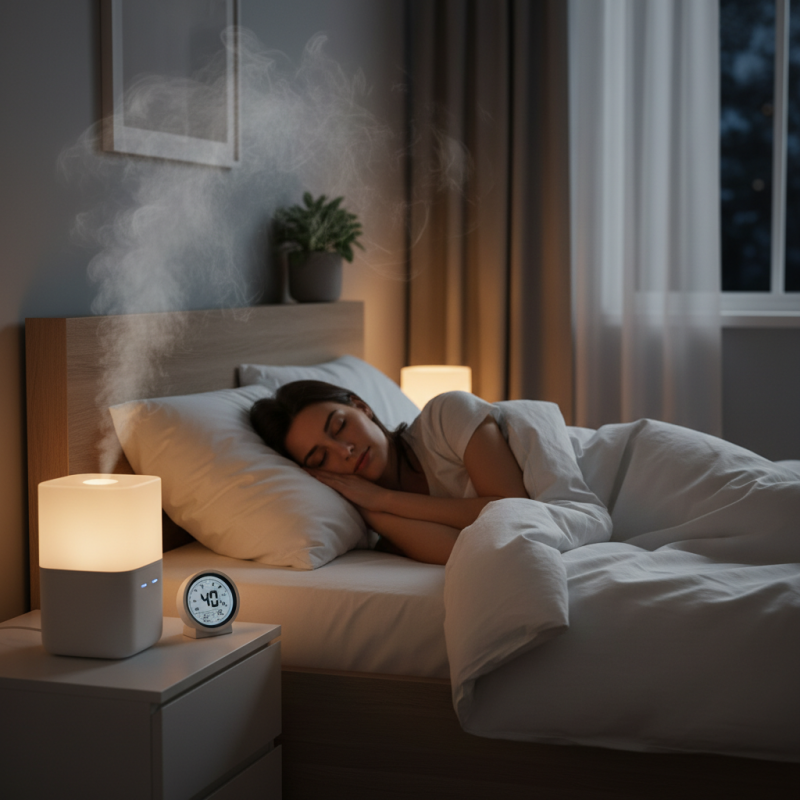
When we talk about sleep quality, humidity plays a crucial role. A study by the National Sleep Foundation shows that the ideal indoor humidity level for restful sleep is between 40% and 60%. This range helps to maintain optimal moisture in the air. It can reduce instances of dryness in the skin and throat, which can disrupt sleep. Poor humidity levels often lead to discomfort, preventing many from achieving deep rest.
Using a humidifier can be beneficial. It adds moisture to the air, which may help alleviate common issues like snoring and sinus congestion. Research published in the Journal of Clinical Sleep Medicine indicates that optimal humidity can improve airflow and decrease upper airway resistance. However, overly high humidity can foster mold growth, leading to respiratory problems. It's important to maintain a careful balance and regularly check humidity levels.
While many see a humidifier as an easy solution, it’s essential to recognize potential drawbacks. Not everyone will experience improved sleep quality. Individual sensitivities can vary widely. Sometimes, factors like ambient temperature, noise levels, and personal health issues overshadow the effects of humidity. It’s vital to assess your unique environment to find what works best for you.
Maintaining the right humidity level is crucial for restful sleep. Research suggests that the ideal indoor humidity level for sleep ranges from 30% to 50%. This range helps prevent dry air, which can irritate the nasal passages and lead to disturbed sleep. A study published in the Journal of Sleep Research indicates that environments with controlled humidity can enhance sleep quality by reducing snoring and respiratory issues.
Using a humidifier can help achieve this ideal range. It is important to monitor humidity levels regularly. Excessive humidity can lead to mold growth and dust mites, which may worsen allergies. The National Sleep Foundation emphasizes that too much moisture can disrupt sleep patterns. Thus, balancing humidity is key.
Tips: Regularly check your humidifier to ensure it's functioning well. Aim for humidity levels around 40% for optimal results. If the air feels too moist, reduce the humidity to avoid discomfort. Your bedroom should feel comfortable, not sticky. Investing in a hygrometer can help track humidity levels accurately.
According to the study of sleep environments, maintaining an ideal humidity level of 40-60% is crucial for restful sleep. Humidity levels below 30% may cause dryness, while levels above 70% can lead to discomfort. This chart illustrates the comfort levels associated with different humidity ranges for sleep.
Creating an optimal sleep environment requires attention to humidity levels. A humidifier can help maintain ideal moisture, particularly in dry climates. When the air is too dry, it can lead to discomfort and disrupt sleep. A properly calibrated humidifier ensures that the air you breathe stays balanced.
Using a humidifier provides notable benefits. It can alleviate issues like dry skin and irritated airways. Studies suggest that maintaining humidity between 40-60% improves respiratory function. Individuals often find they breathe easier at night. Quality sleep contributes to better overall health and increased energy levels during the day.
However, users must monitor their humidifiers closely. Too much moisture can promote mold growth or dust mites. It's essential to clean these devices regularly to ensure effectiveness. Finding the right balance can be a trial and error process. Patience is key as you adapt to these new changes.
Maintaining the right humidity level in the bedroom is crucial for quality sleep. Studies suggest that the ideal indoor humidity should range from 30% to 50%. However, numerous factors can influence this ideal range. In some regions, outdoor humidity levels fluctuate significantly, impacting indoor air quality. Seasonal changes also play a role, with winter months often leaving the air dry and summer months causing excess moisture.
Temperature is another critical factor. Warmer temperatures can increase humidity, making the air feel heavy and uncomfortable. Poor ventilation can exacerbate these conditions, leading to mold growth and respiratory issues. A recent report indicates that homes with proper ventilation can maintain a balanced humidity level, enhancing overall sleep quality.
Tips: Regularly monitor your bedroom's humidity using a hygrometer. If levels drop below 30%, consider using a humidifier to restore balance. Conversely, if it rises above 50%, ensure proper air circulation or use a dehumidifier. Remember to clean your humidifier regularly to prevent bacteria buildup, which could compromise air quality.
Maintaining the optimal humidity level in your bedroom is crucial for a restful night's sleep. Aim for a humidity level between 30% and 50%. This range can reduce irritations from dry air and alleviate respiratory issues. A humidifier can help to achieve this desired level. However, too much humidity can lead to mold growth and dust mites, so finding the balance is essential.
Regular maintenance is key. Clean your humidifier weekly to prevent bacteria buildup. Use distilled water, as tap water can contain minerals that promote scale. Monitor humidity levels with a hygrometer. Adjust the settings accordingly to keep your space comfortable. Be mindful of your environment; if your room is naturally humid, you may not need to run the humidifier constantly.
Invest time in understanding your personal comfort needs. Pay attention to how your body responds to different humidity levels. What works for one person may not suit another. Small adjustments can make a big difference. Don't hesitate to experiment to find the optimal setting for your sleep.
| Humidity Level (%) | Recommended Sleep Comfort | Potential Effects of Low Humidity | Potential Effects of High Humidity | Tips for Maintenance |
|---|---|---|---|---|
| 30-40% | Comfortable, promotes restful sleep | Dry skin, irritated throat, increased allergies | Mold growth, dust mites, discomfort | Regularly clean humidifier, monitor humidity level |
| 40-60% | Ideal range for sleep | Minimal discomfort, lower risk of illness | Occasional discomfort for sensitive individuals | Use hygrometer, adjust humidifier settings accordingly |
| Above 60% | May cause discomfort | Increased chance of respiratory issues | Unpleasant sleeping environment, may promote pests | Decrease humidifier output, use dehumidifier if needed |
: The ideal humidity level for restful sleep ranges from 40% to 60%.
Proper humidity prevents dryness, reducing skin and throat irritation, which can disrupt sleep.
Yes, a humidifier can alleviate snoring and sinus congestion, enhancing sleep quality.
High humidity can lead to mold growth and respiratory issues, disrupting sleep.
Regular checks of humidity levels are essential to maintain an optimal environment for sleep.
No, individual sensitivities can vary widely; not everyone may see improved sleep quality.
Aim for 40% humidity, monitor frequently, and keep your space comfortable, not sticky.
If the air feels too moist, reduce the humidity to avoid discomfort during sleep.
Investing in a hygrometer can help monitor humidity levels effectively in your home.
Finding the right balance of humidity can be a trial-and-error process; patience is essential.
Maintaining the right humidity level is crucial for enhancing sleep quality. The ideal humidity level for sleeping with a humidifier typically falls between 40% and 60%. This range allows for optimal comfort and can minimize issues such as dry skin, irritated airways, and allergies. Using a humidifier can significantly improve sleep by creating a more conducive environment, helping individuals breathe easier and sleep more soundly.
Several factors influence the ideal humidity levels in bedrooms, including the climate, ventilation, and individual preferences. To achieve and maintain optimal humidity, it's essential to monitor levels regularly and adjust the humidifier settings accordingly. By understanding what is the ideal humidity level for sleeping with a humidifier, individuals can enhance their sleep environment and overall well-being.

Invito Furniture